Korean eyelash lamination - what is it and where to start?

Korean Eyelash Lamination – What Is It?
Korean eyelash lamination is an innovative styling method that’s a great choice for stylists who already have some experience with eyelash lamination. It’s also a good option for beginner stylists who want to keep up with current trends. So, how does classic eyelash lamination differ from the Korean method? We’ll explain it in the article below. Read on to learn about the differences, the treatment procedures, and the products you can use during a Korean treatment.
Classic Lash Lamination vs. Korean Lash Lamination – How Do They Differ?
These are two cosmetic treatments that can produce similar results, but they use completely different products. In the case of Korean lamination, the formulations are based on cysteamine, which is gentler but just as effective as the agents used in classic lamination.
By offering Korean lamination to your clients, you can achieve even better results. What kind? Their hair will be smoother and look spectacular.
But remember!
Every client is different, and the type of lamination should be tailored to her needs. This is essential if the results are to be satisfactory.
Have you heard anything about Korean eyelash lamination yet? Watch this short video, and if you’re still interested in this treatment, you can read the rest of our article.
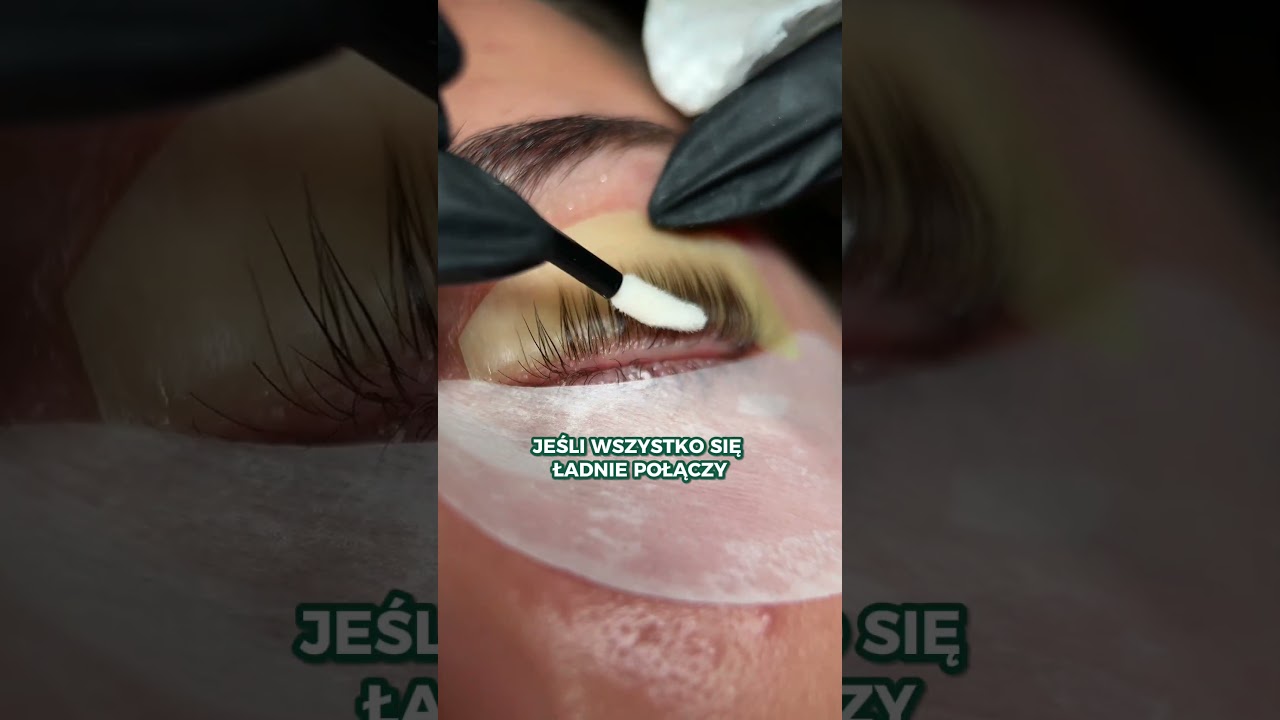
Click on the image to watch the video on YouTube
Where to start with Korean eyelash lamination? See what products you’ll need!
To begin Korean eyelash lamination treatments, you’ll need to stock up on the necessary accessories and cysteamine-based products. A few essential products that are must-haves in your lamination kit include:
- Lami Melt – this is the first cysteamine-based product, which gently softens and prepares the hair for the subsequent stages of lamination.
- Lami Hold – this product seals the hair structure and sets its new shape.
- Lami Hydro Care – this is the third and fourth step of Korean lamination, combining regeneration, hydration, and nourishment in one.
- Lami Powder – this powder changes the consistency of the formula. What do you gain? Thanks to this, you don’t need classic roller adhesive to perform the lamination treatment.
To perform an eyelash lamination treatment properly, you’ll also need flat rollers, such as ultraslim, as well as curling rollers, which you’ll of course find in our online store’s selection.
Silicone brushes are also a must-have in your kit. Finally, remember that the quality of your lamination accessories and products matters! This applies to both classic and Korean lamination. That’s why we encourage you to use only proven products that will take the quality of your services to a whole new level.
Rollers in the Lami System—why do you need them for Korean eyelash lamination?
This is a crucial element of Korean eyelash lamination. The roller determines the shape the eyelash will take after the treatment. Thus, a properly selected silicone form will allow you to achieve the exact direction of the lash you desire.
In our selection, you’ll find rollers that help you achieve a subtle lift, such as for the “makeup-no-makeup” effect.
And if you want to learn more, check out our YouTube channel:
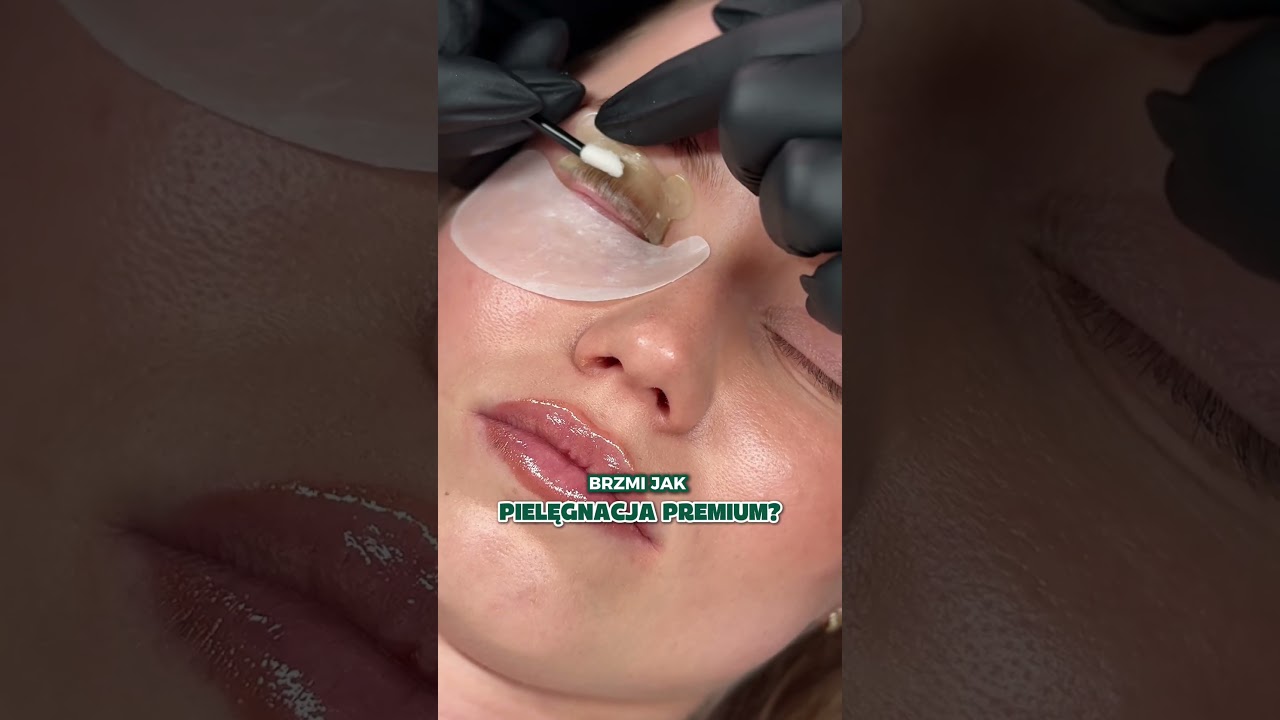
Click on the image to watch the video on YouTube
For exceptionally short lashes, it’s best to avoid rollers that curl the lashes too tightly. The results of such a curl will be negligible. It’s definitely better to use a lifting roller, and in this case, the Rose Glam, Aqua Fins, or Emerald Frogs rollers will work great.
Remember!
A properly selected eyelash extension roller is one where the lashes fit along its entire length but do not extend beyond its outline.
The Korean eyelash lamination procedure – how should this treatment be performed?
Let’s start with the fact that if you want to learn how to perform Korean eyelash lamination STEP BY STEP, you can sign up for a training program and learn everything about this lamination method.
- We begin the Korean eyelash lamination treatment by cleansing the eye area and the lashes. First, we use shampoo and a clean brush to precisely cleanse the areas of interest. Then, using a damp cotton pad, we remove any remaining shampoo from the lash line.
- In the next step, we select a flat form. This is a roller designed to soften the lashes using the first product mentioned at the beginning of the article.
- Next, prepare the Lami Melt formula to achieve the optimal consistency—it’s a good idea to mix it with Lami Powder at this stage. Mix the two substances thoroughly to avoid clumps and make the application easier later on.
- Next, place the form as close to the lash line as possible. Then apply the solution to the form and, using the velour tip of the brush, adhere the lashes from root to tip. Work along the entire length of the lashes with the prepared Korean lamination solution.
Note! The optimal exposure time for the product on the lashes is 6–12 minutes, depending on their length and thickness. - Next, apply the shaping form. Choose one that allows the lashes to lie freely on it. The form must be sized to allow for precise placement of the lashes.
- To remove the second lamination product, use Lami Hold dry with a velour stick.
- The next step is eyelash tinting. Here, we maintain maximum precision to ensure every lash is thoroughly covered with dye. After removing the osmotic film, we gently wipe away any excess dye, then apply the Hydro-Care conditioning treatment.
Finally, apply the Botanix regenerating treatment and comb the lashes from the bottom up. You’ll immediately see the results of the treatment.
Korean eyelash lamination – learn the indications and contraindications before you decide!
Start by asking yourself one question... is this the right time and the right person for you to undergo the Korean eyelash lamination treatment? To determine this, you need to know that it’s the perfect solution for people who:
- have unruly and curly lashes;
- struggle with difficult growth patterns;
- want to achieve a natural lift.
The Korean system is also suitable for sensitive clients—both to scents and to intense treatments. No glue is used here, so the treatment itself is exceptionally safe.
Therefore, the Korean Lami system is a better choice for thinner and more sensitive lashes. Of course, this doesn’t mean you can always perform this treatment and that it will always be safe. Advise your clients against lamination if there is inflammation around the eye area. Do not perform this treatment, despite its gentleness, if the client is allergic to the active ingredients or has micro-injuries and scratches around the eyelids.
Let your client know about this. This way, you’ll enhance your reputation as a stylist while also ensuring your client’s well-being. You’ll also avoid potential service complaints, as failing to follow contraindications could cause discomfort for your clients.
Powiązane produkty


Podobne wpisy
Nowy post
Allergies to eyelash glue: how to minimize the risk of reaction and what is the difference...
Glue holder, i.e. a jade stone for eyelash styling
Eyebrow shaping for men - how to do it properly?
Eyebrow gaps, or what to use to paint your eyebrows to cover gaps?
First eyebrow shaping at a beautician – when should it be done?
How does powder henna remover work? You need to know!
Eyebrow soap styling – what does it involve?
Does an eyelash curler damage eyelashes?
Lower eyelash extensions - is it worth it?